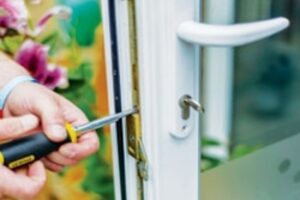
Five People You Need To Know In The Bolt Lock Replacement Industry
Bolt Lock Replacement: A Comprehensive Guide
When it pertains to home security, making sure that all locks are operating appropriately is critical. Among the key parts of a secure door is the bolt lock. Gradually, bolt locks might wear or end up being outdated due to developments in innovation. This article checks out the process of bolt lock replacement, covering everything from understanding when to change a bolt lock to offering a step-by-step guide for those thinking about a DIY technique.
Understanding Bolt Locks
Before diving into the replacement procedure, it is vital to understand what a bolt lock is and how it operates. Repair My Windows And Doors is developed to secure a door by using a strong metal bolt that extends into the door frame when locked. Unlike a standard latch lock, which can be quickly required open, a bolt lock provides boosted security.
Kinds Of Bolt Locks
There are a number of kinds of bolt locks readily available on the market:
Deadbolt Locks:
- Heavy-duty locks that offer maximum security.
- Need a key or thumb turn to operate.
- Offered in single and double-cylinder styles.
Vertical Deadbolts:
- Mounted vertically on the door.
- Provide increased resistance versus forced entry.
Smart Deadbolts:
- Operated through smartphones or keypads.
- Frequently equipped with features such as remote locking and unlocking.
Chain Bolt Locks:
- Used mainly for protecting gates or interior doors.
- Supply a basic level of security with simple operation.
Signs It's Time to Replace a Bolt Lock
Understanding when to change a bolt lock is essential for maintaining security. Here are some typical indications that recommend it's time for a replacement:
- Wear and Tear: Visible signs of deterioration, rust, or damage to the bolt or housing.
- Trouble in Operation: If the lock is hard to turn or typically jams.
- Keys Don't Work: If multiple keys are unable to unlock the door, it could indicate internal damage.
- Home Renovation: During home upgrades, it may be prudent to change old locks with new ones for visual and security factors.
The Replacement Process
Changing a bolt lock might appear daunting, but with the right tools and instructions, it can be achieved quickly. Below is a detailed guide to assist homeowners navigate the replacement process.
Tools Required
- Screwdriver (flathead and Phillips)
- Drill (if new holes are required)
- Measuring tape
- New bolt lock set
- Chisel (if needed for changes)
- Safety glasses
Step-by-Step Guide
Step 1: Remove the Old Lock
Get rid of the Screws: Unscrew the exterior plate utilizing the proper screwdriver. Keep screws in a safe location for potential usage later on.
Secure the Bolt: Carefully pull the bolt mechanism out of the door.
Disconnect the Strike Plate: Remove the strike plate from the door frame by unscrewing it.
Step 2: Prepare for New Lock Installation
Clean the Area: Clean the door and frame around the bolt hole to remove particles or old wood splinters.
Inspect Measurements: Using a determining tape, make sure that the new lock matches the size of the old bolt lock to prevent unneeded drilling.
Action 3: Install the New Lock
Place the New Bolt: Place the new bolt mechanism into the slot, guaranteeing it fits snugly.
Connect the Exterior Plate: Align the exterior plate with the bolt lock and secure it with screws.
Set Up the Strike Plate: Position the new strike plate on the frame and screw it in location. Ensure it aligns perfectly with the bolt when the door is closed.
Test the Lock: Finally, place the essential or turn the mechanism to check that it runs efficiently.
Table of Common Bolt Lock Sizes
Lock Type
Backset Size (inches)
Bolt Length (inches)
Door Thickness (inches)
Single Cylinder Deadbolt
2 3/8 or 2 ¾ 1 in
1 3/8 to 2 in
Double Cylinder Deadbolt
2 3/8 or 2 ¾ 1 in
1 3/8 to 2 in
Smart Deadbolt
2 3/8 or 2 ¾ 1 in
1 3/8 to 2 in
FAQs about Bolt Lock Replacement
Q1: Can I replace a bolt lock myself?A: Yes, changing a bolt lock can be aDIY task if you have the right tools and follow correct guidelines. Q2: How typically must I change my locks?A: It is recommended to
assess your locks annually and think about replacements every 5-7 years, orearlier if any issues arise. Q3: Are smart locks worth the investment?A: Smart locks offer convenience and sophisticated security functions, which can be worth the cost for many property owners. Q4: What should I do if my new lock does
n't fit?A: If the new lock does not fit, reconsider the specifications and measurements. You might need to drill new holes or look for professional support. Q5: How do I keep my bolt locks?A: Regular cleansing and oiling thelock mechanism can assist keep functionality and durability. Changing a bolt lock is an important aspect of home security that need to not
be ignored. Whether due to use and tear or developing security needs, knowing how to effectively carry out a bolt lock replacement empowers property owners to manage their safety.
By following the detailed guide and being mindful of the indications indicating a need for replacement, they can guarantee their doors are secure and trusted. With the right tools and vigilance, safeguarding one's home has actually never been more workable.